LIBSEIB Consulting Group is leading a transformative agribusiness initiative in Konobo Statutory District, designed to empower local farmers, strengthen community livelihoods, and position the region as a model for climate‑resilient agriculture in Liberia. As global food systems face increasing pressure, Konobo’s agricultural potential offers a powerful opportunity to drive sustainable growth, improve food security, and create market‑ready products from locally grown crops.
The world is changing rapidly. According to World Bank projections, the global population is expected to reach **9 billion by 2050**, placing unprecedented demand on food production systems. Sub‑Saharan Africa, one of the fastest‑growing regions in population, must significantly increase agricultural productivity to feed its people and reduce poverty. Yet climate change, declining soil fertility, and traditional farming methods continue to limit yields and threaten rural livelihoods.
LIBSEIB Consulting Group recognizes that the future of agriculture in Liberia depends on **innovation, resilience, and value‑addition**. Our agribusiness model focuses on equipping farmers with modern climate‑smart practices, strengthening cooperative structures, and transforming local crops into high‑quality, consumable food products that meet market standards.
Konobo Statutory District is rich in agricultural potential. Farmers cultivate cassava, rice, plantain, cocoa, vegetables, and other staple crops that, with proper processing, can become profitable products for supermarkets, wholesalers, and institutional buyers. By establishing community‑based processing centers, LIBSEIB is helping reduce post‑harvest losses, increase shelf life, and create new income streams for rural households. Products such as gari, cassava flour, packaged rice, plantain chips, cocoa‑based goods, and dried vegetables can elevate Konobo’s presence in regional and national markets.
Climate resilience is at the heart of our mission. As rainfall patterns shift and temperatures rise, farmers must adopt practices that protect soil health, conserve water, and improve crop performance. LIBSEIB provides training on improved seed varieties, sustainable land management, agroforestry, and cooperative‑led production systems that enhance productivity while safeguarding the environment. These interventions ensure that farmers are not only producing more food but doing so in ways that withstand climate shocks.
Our work also strengthens community capacity. Through cooperative development, youth engagement, and women’s empowerment, LIBSEIB is building an inclusive agricultural ecosystem where every stakeholder benefits. By connecting farmers to markets, investors, and technical partners, we are creating a pathway for long‑term economic growth in Konobo and beyond.

Here is a polished, professional **500‑word website article** based on your text, written in a clear, structured, and compelling style suitable for LIBSEIB Consulting Group’s website.
---
## **Building a Climate‑Smart Agribusiness Future in Konobo Statutory District**
LIBSEIB Consulting Group is leading a transformative agribusiness initiative in Konobo Statutory District, designed to empower local farmers, strengthen community livelihoods, and position the region as a model for climate‑resilient agriculture in Liberia. As global food systems face increasing pressure, Konobo’s agricultural potential offers a powerful opportunity to drive sustainable growth, improve food security, and create market‑ready products from locally grown crops.
The world is changing rapidly. According to World Bank projections, the global population is expected to reach **9 billion by 2050**, placing unprecedented demand on food production systems. Sub‑Saharan Africa, one of the fastest‑growing regions in population, must significantly increase agricultural productivity to feed its people and reduce poverty. Yet climate change, declining soil fertility, and traditional farming methods continue to limit yields and threaten rural livelihoods.
LIBSEIB Consulting Group recognizes that the future of agriculture in Liberia depends on **innovation, resilience, and value‑addition**. Our agribusiness model focuses on equipping farmers with modern climate‑smart practices, strengthening cooperative structures, and transforming local crops into high‑quality, consumable food products that meet market standards.
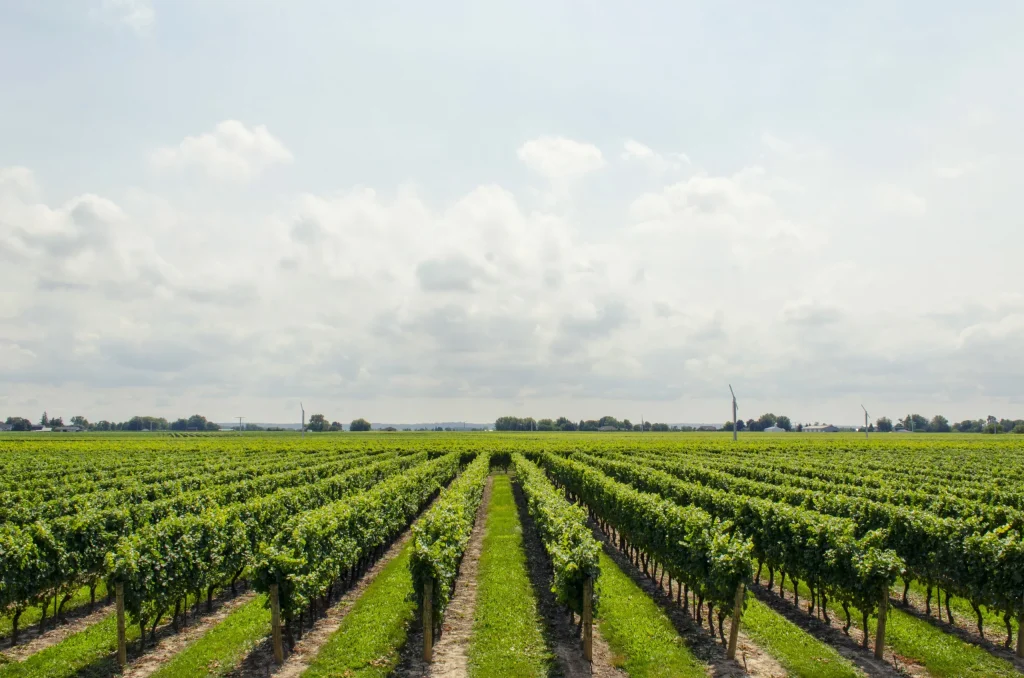
Konobo Statutory District is rich in agricultural potential. Farmers cultivate cassava, rice, plantain, cocoa, vegetables, and other staple crops that, with proper processing, can become profitable products for supermarkets, wholesalers, and institutional buyers. By establishing community‑based processing centers, LIBSEIB is helping reduce post‑harvest losses, increase shelf life, and create new income streams for rural households. Products such as gari, cassava flour, packaged rice, plantain chips, cocoa‑based goods, and dried vegetables can elevate Konobo’s presence in regional and national markets.
Climate resilience is at the heart of our mission. As rainfall patterns shift and temperatures rise, farmers must adopt practices that protect soil health, conserve water, and improve crop performance. LIBSEIB provides training on improved seed varieties, sustainable land management, agroforestry, and cooperative‑led production systems that enhance productivity while safeguarding the environment. These interventions ensure that farmers are not only producing more food but doing so in ways that withstand climate shocks.
Our work also strengthens community capacity. Through cooperative development, youth engagement, and women’s empowerment, LIBSEIB is building an inclusive agricultural ecosystem where every stakeholder benefits. By connecting farmers to markets, investors, and technical partners, we are creating a pathway for long‑term economic growth in Konobo and beyond.

As global demand for food rises, regions like Konobo must become engines of innovation and resilience. LIBSEIB Consulting Group is committed to driving this transformation—helping farmers thrive, communities grow, and Liberia move toward a more secure and prosperous agricultural future